Rust
38 posts

We Compared 6 Outage Reports Before We Understood What Async Rust Actually Prevents
CPU was fine, memory was stable, no recent deploys — but error rates hit 3.4%. After comparing 6 outage reports across Node.js, Go, and Java, we finally understood how async systems actually fail, and where Rust+Tokio’s compiler draws the line.

Don't Underestimate Rust Enums: A Complete Hands-On Guide
Rust enums are far more than a set of constants. They carry data, drive state machines, replace null, and unify error handling. This guide walks you from basics to recursive enums with real code examples.

500 Lines of Rust, 10 Seconds to Train: How Simple Is Building a Neural Network from Scratch?
Build a spam classifier neural network with Rust and Hugging Face’s Candle framework in just 500 lines of code. From tokenizer to embedding to Softmax, every step explained like a cooking recipe. No GPU, no Python, runs on any laptop.
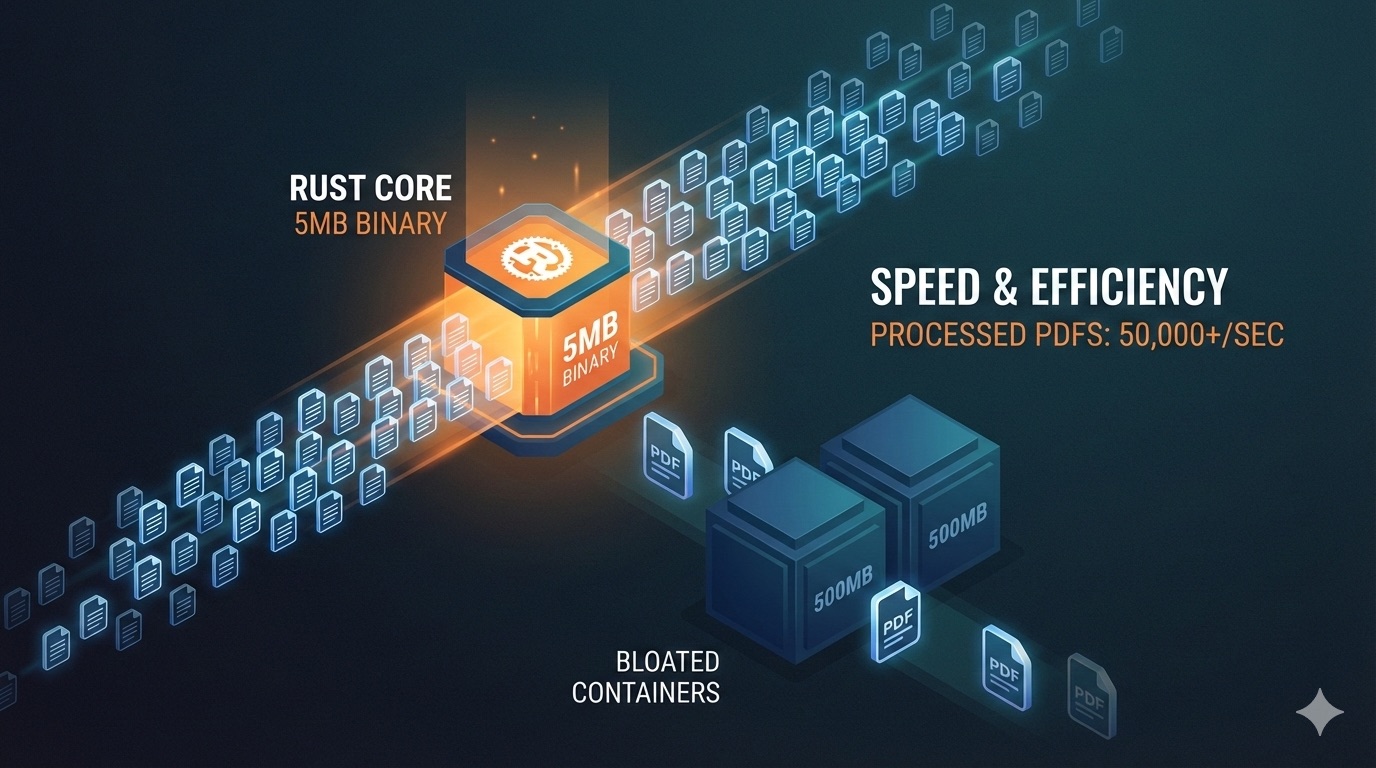
4000 Pages Per Second: The Rust PDF Library That's Changing the Game
oxidize-pdf: A pure-Rust PDF engine with zero C dependencies, a 5MB binary, and performance that leaves Chromium and Java stacks in the dust.

PostgreSQL Query Parsing Too Slow? PgDog Ditched Protobuf and Got 5x Faster
PgDog is a Rust-based PostgreSQL proxy. They discovered Protobuf serialization was the real bottleneck in SQL query parsing — not the Postgres parser itself. By replacing Protobuf with direct C-to-Rust FFI bindings, they achieved 5-10x faster parsing.

Rust Compiler Error 'cannot borrow as mutable'? Think of s.clear() as 'Tearing a Book'
Why does s.clear() cause a mutable borrow error? This article uses a ’library book’ analogy to help you thoroughly understand Rust’s borrowing rules and lifetime conflicts.

Brave Browser Rewrites Ad Blocker in Rust, Slashes Memory by 75%
Brave 1.85 rewrites its ad-blocking engine using Rust and FlatBuffers, reducing memory usage from 60MB to 15MB. Here’s how they did it.

Stop Writing Some(...): The impl Into<Option<T>> Trick in Rust
Learn how to use Rust’s Into Trait with Option to let functions accept both raw values and Option types, eliminating tedious Some() wrapping.

Rust 1.93 Released: musl Upgrade, Assembly Conditional Compilation, Zero-Copy Suite
Rust 1.93 is out with all musl targets upgraded to 1.2.5, #[cfg] conditional compilation in assembly, global allocators can now use TLS, and zero-copy APIs stabilized.
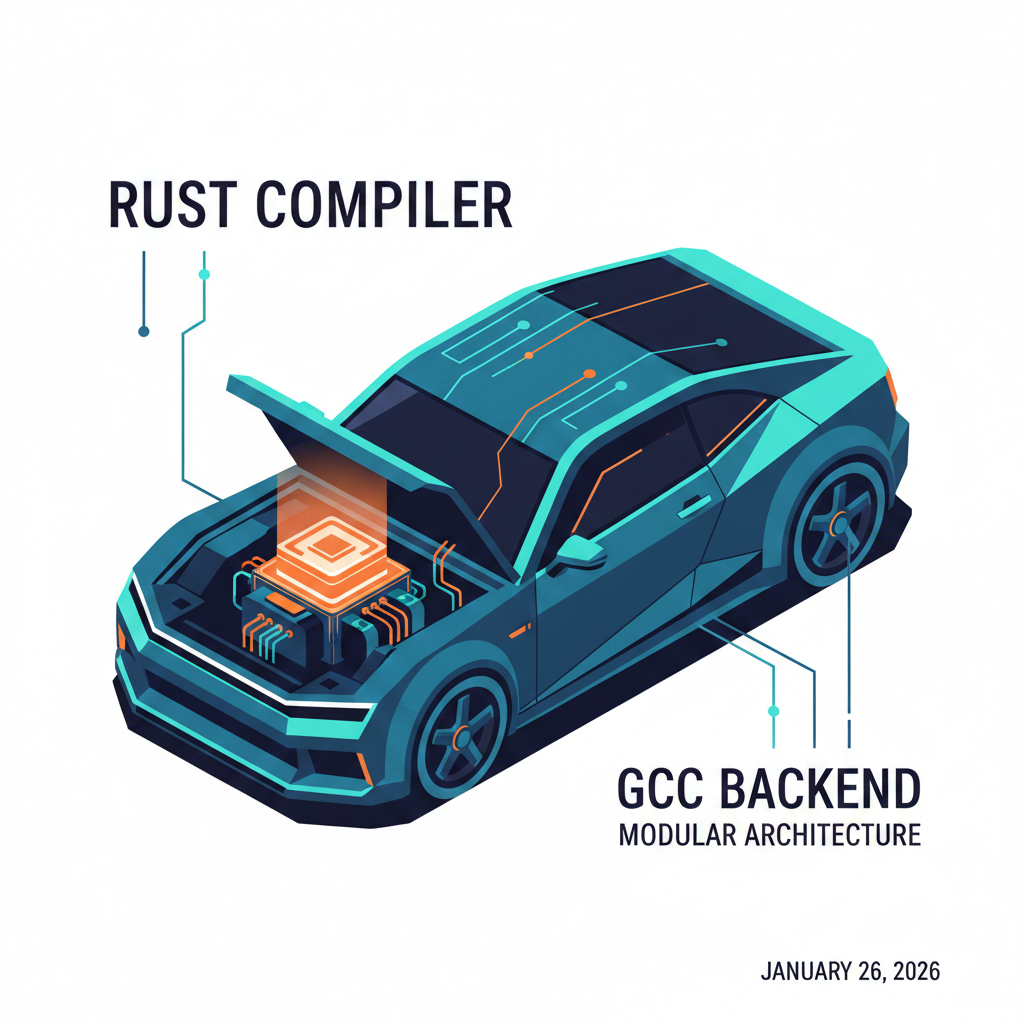
Rust GCC Compiler Backend: Install rustc-codegen-gcc with One Command
rustc-codegen-gcc is now officially part of rustup nightly components. Linux users can now experience GCC-compiled Rust code with a single command. No more manual compilation, no more environment setup hassles—it’s like giving Rust a new engine.