


我们的产品
最新文章
查看更多 →
教程
查看更多 →
Rust
Rust Compiler Error 'cannot borrow as mutable'? Think of s.clear() as 'Tearing a Book'

Rust
Rust 1.90 Upgrade Crash Report: My Codebase Didn't Make It
Rust
Running Rust Async on Windows? Meet the Little Devil in the Closet: Device Afd
Tutorials
Rust Smart Contracts #6: Storage Patterns in ink! You Can Actually Maintain
工具精选
查看更多 →


ai
查看更多 →

languages
查看更多 →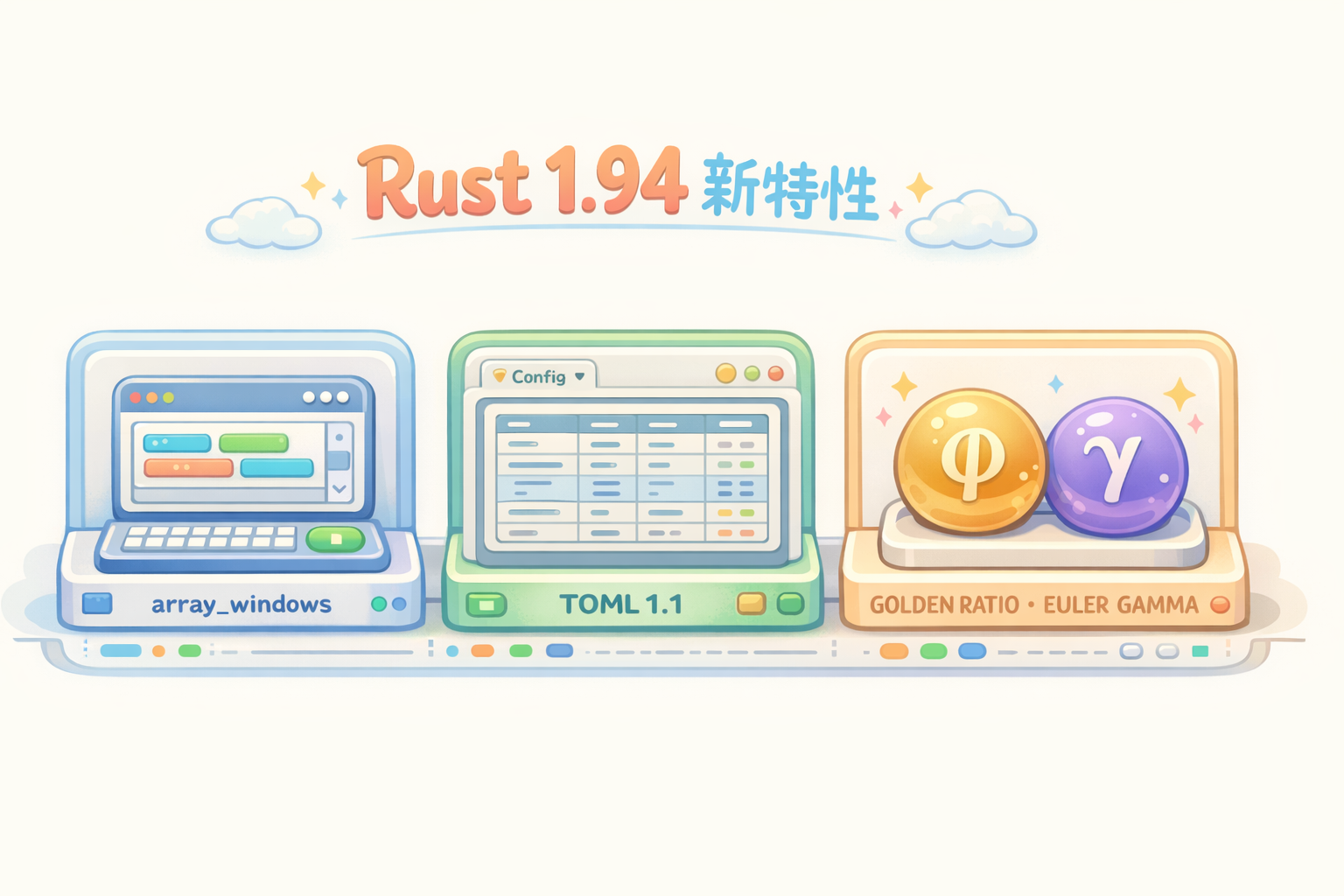
Programming Language
Rust 1.94 is Here: Sliding Window Pattern Matching Makes Code Elegant
Programming Languages
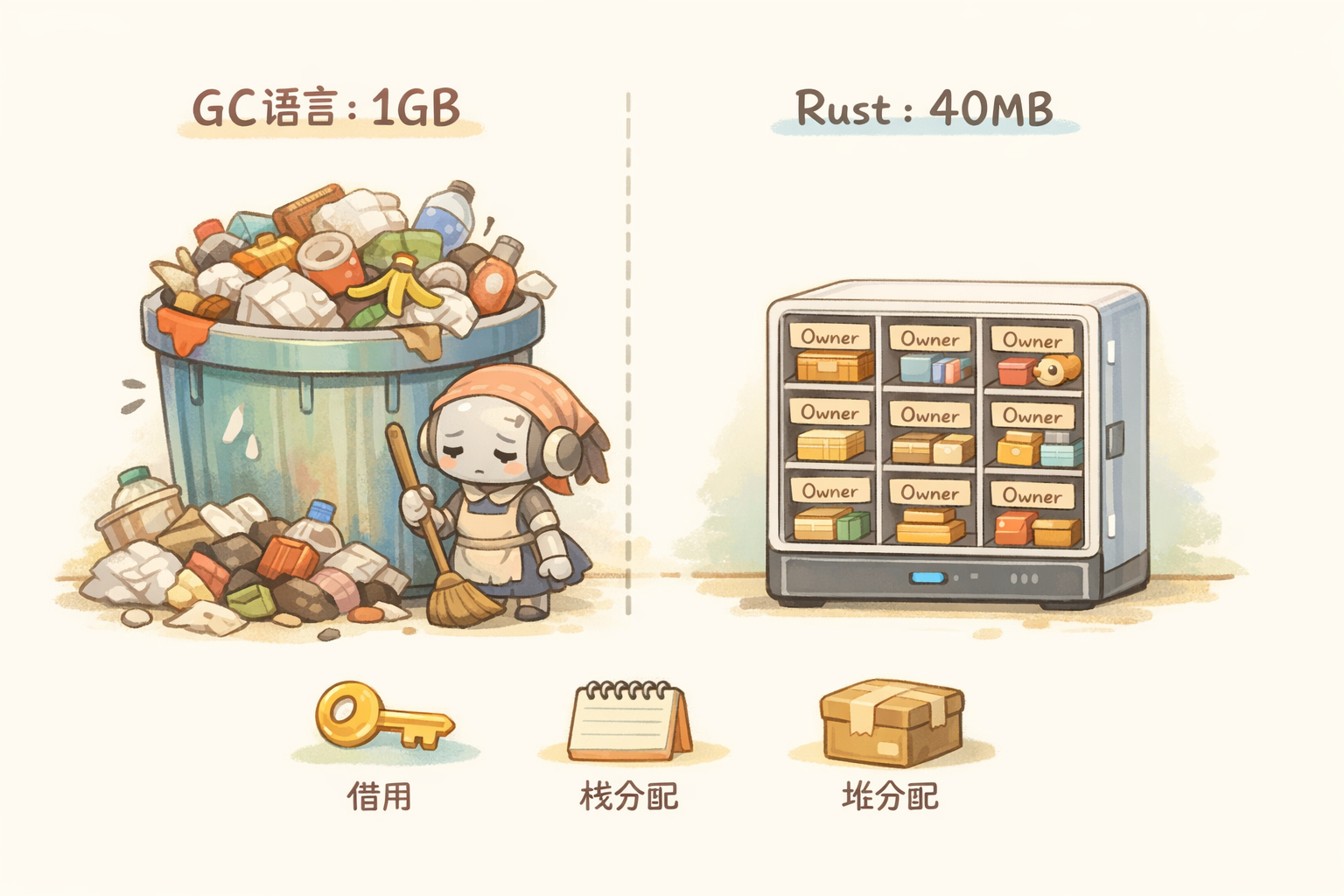
From 1GB to 40MB: How Rust Cracks Memory Management
Tech Breakdown
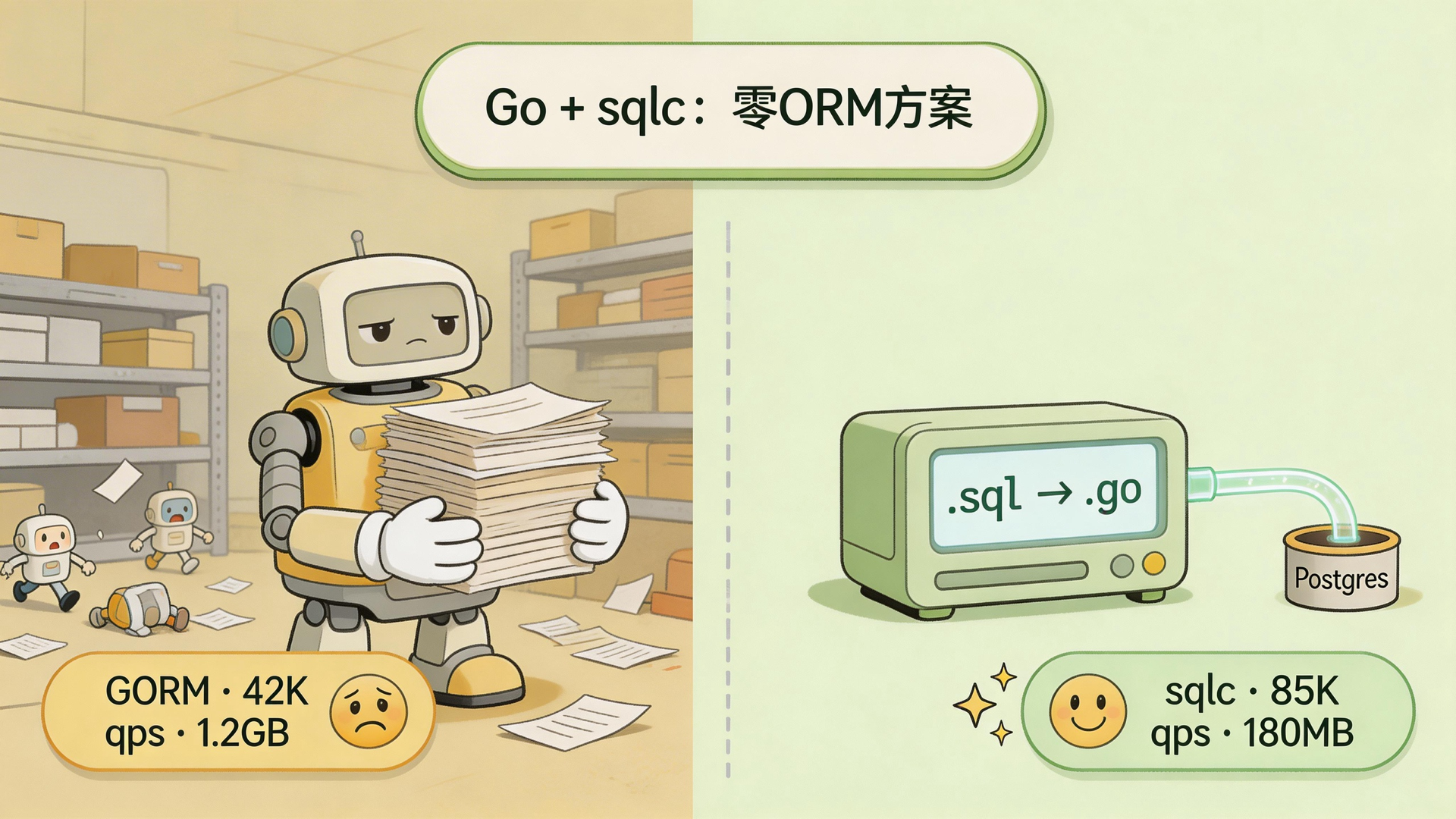
Go + sqlc + Postgres: The Zero-ORM Stack Behind Cloudflare's 99.99% Uptime
Mobile Development
How Does Kotlin Code Actually Run on iPhone? The KMP Compilation Pipeline Explained
frontend
查看更多 →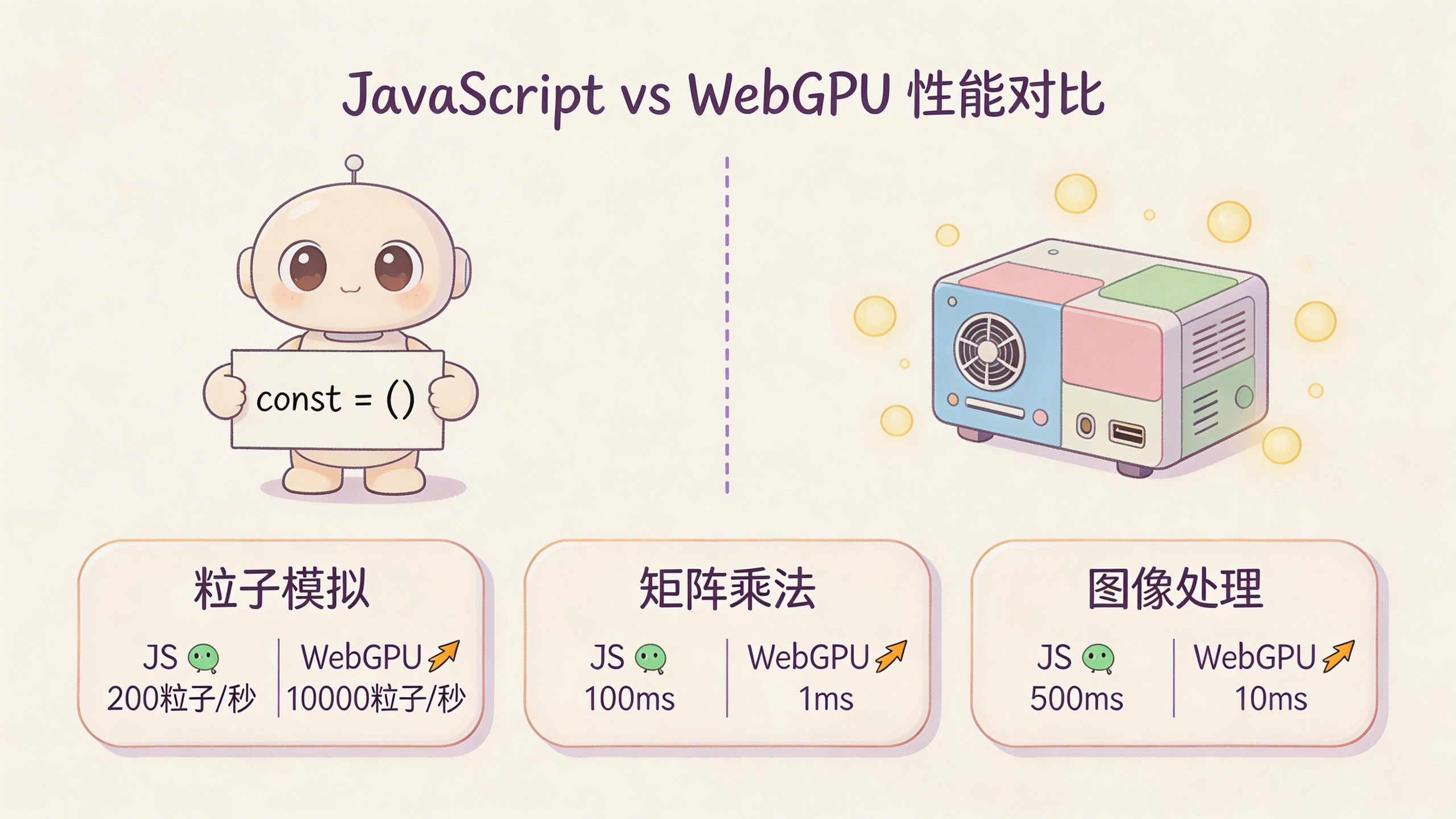
Frontend Development
Does JavaScript Really Lose to GPU? Three Real Benchmarks That Baffled Me
JavaScript
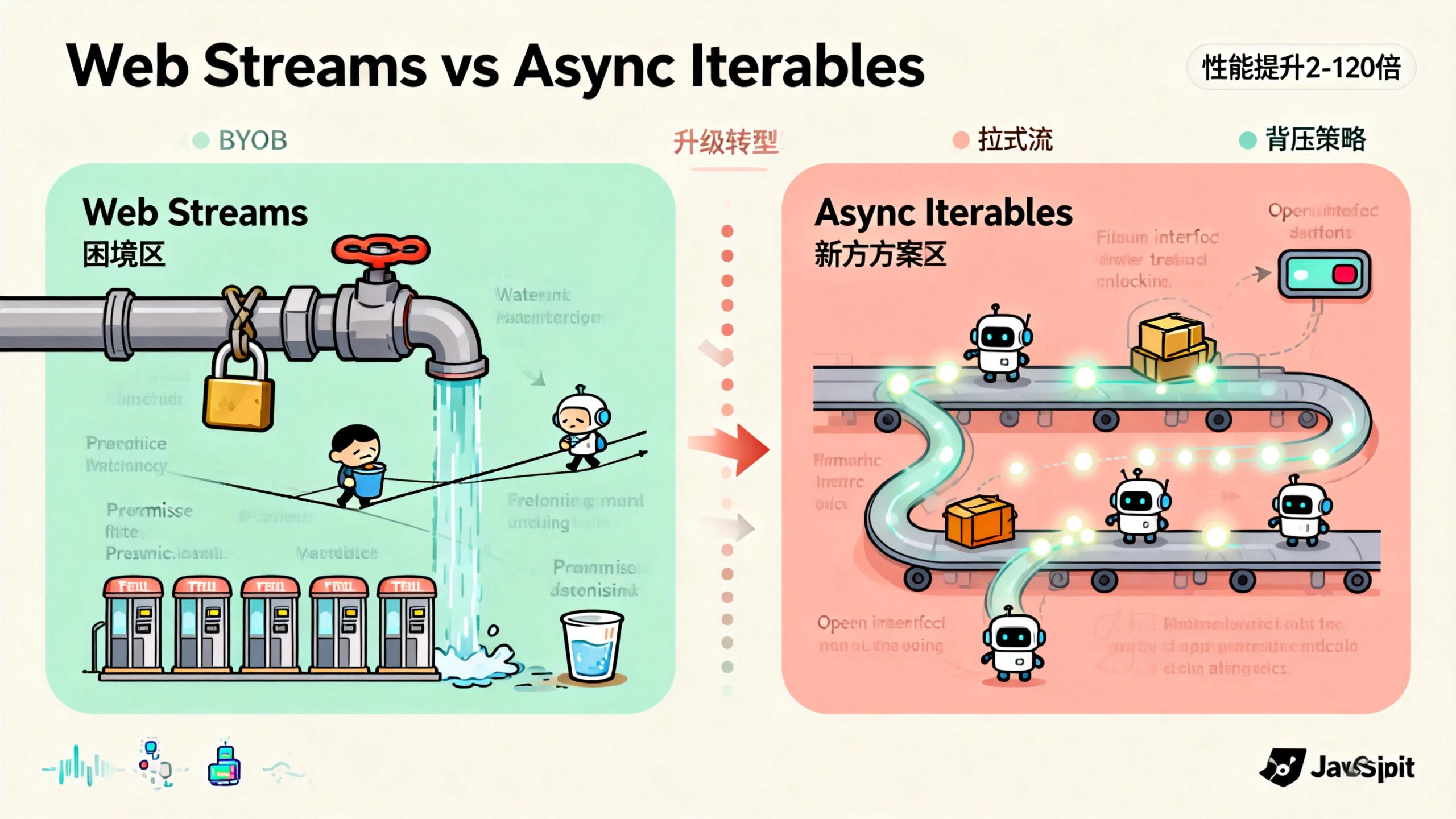
The Trouble with JavaScript Streams: What Web Streams API Got Wrong

Frontend Development
Frontend Performance Optimization: I Replaced Axios With 25 Lines of Vanilla JS

Frontend News
Evan You Announces OXC Tools: 45x Faster Than Prettier, 50-100x Faster Than ESLint
infrastructure
查看更多 →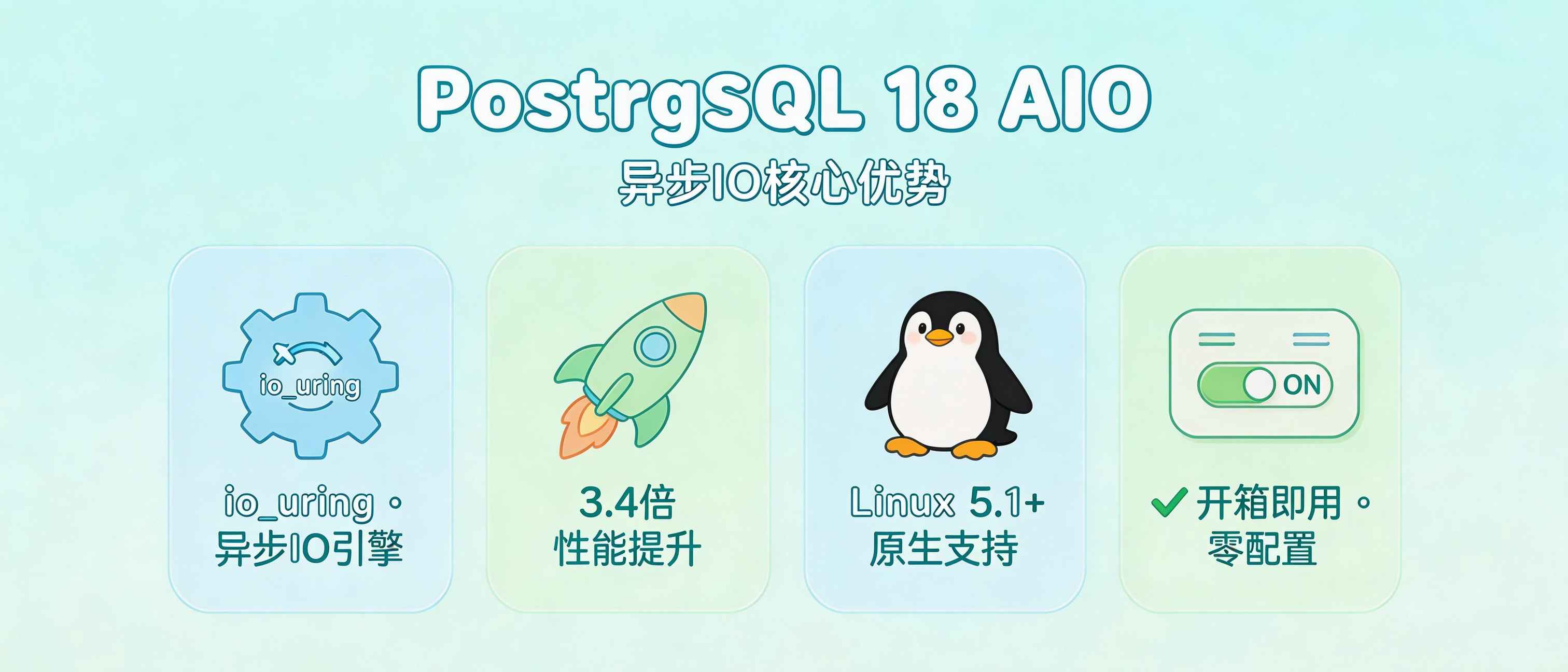
Database Technology
PostgreSQL 18 Asynchronous IO Revolution: Why This Is the Biggest Database Update in 5 Years
Rust
PostgreSQL Query Parsing Too Slow? PgDog Ditched Protobuf and Got 5x Faster

Backend
The C10M Problem in 2026: Why Your 128-Core Server Still Can't Handle 10 Million Packets Per Second

Linux
